Space dust caught by a NASA jet points to ancient ice beyond Neptune
Twelve tiny grains collected high in Earth's atmosphere carry chemical fingerprints of water from the outer solar system.
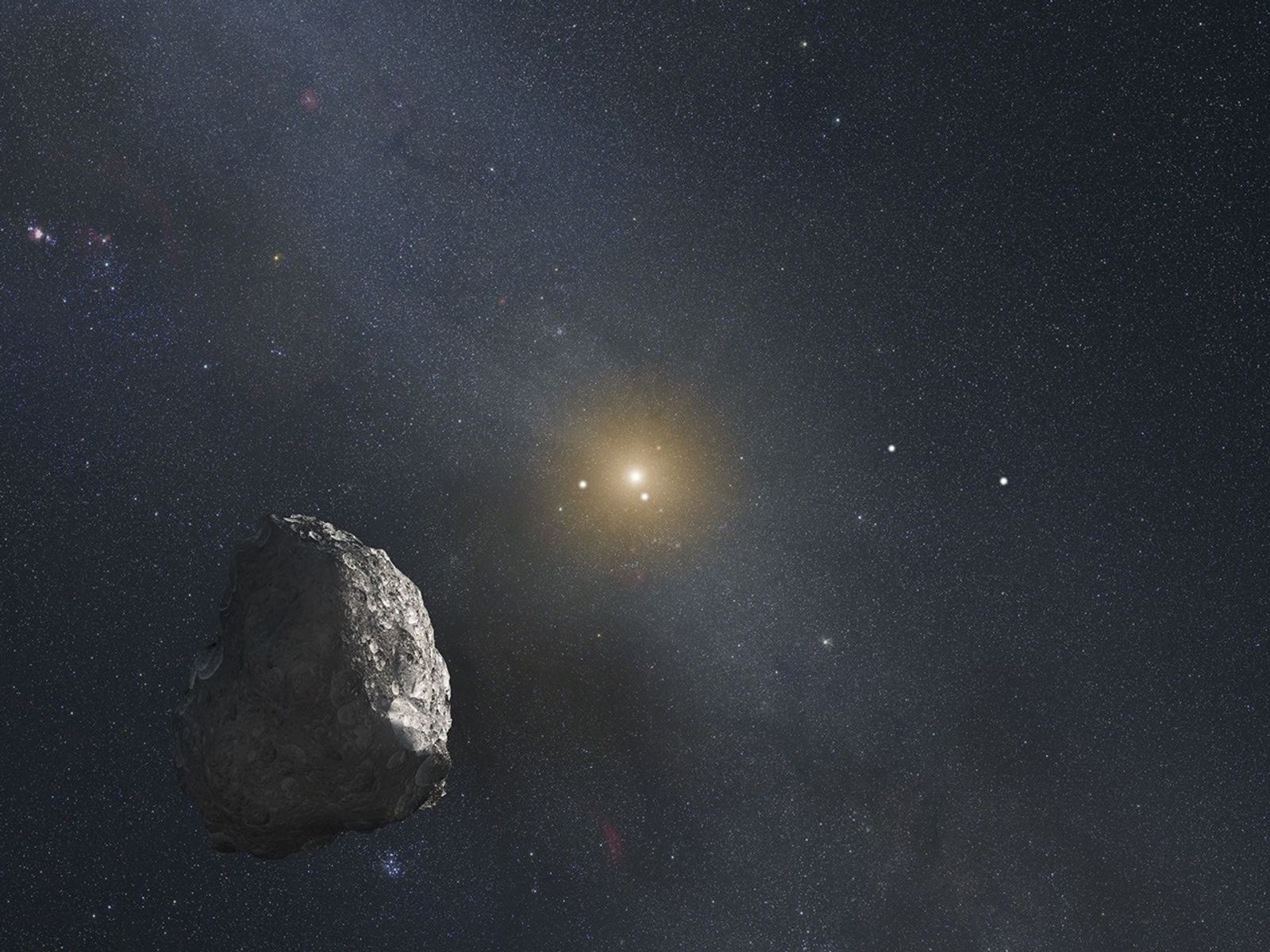
Scientists at NASA's Johnson Space Center in Houston, working with colleagues at UCLA, have found new evidence for an ancient reservoir of ice in the Kuiper Belt, the distant region of the solar system beyond Neptune.
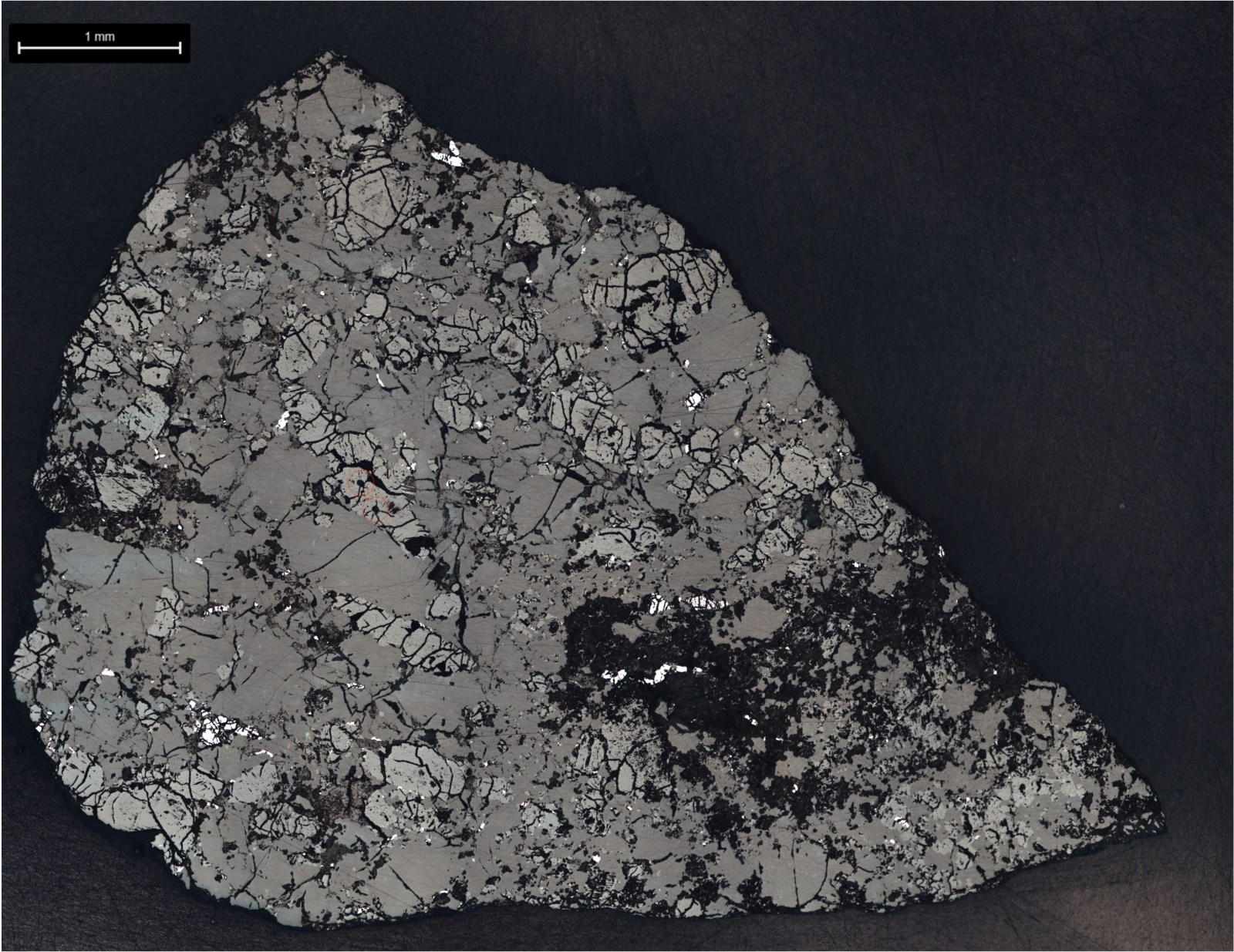
The clues came from 12 microscopic dust particles collected in Earth's stratosphere by NASA's ER-2 high-altitude research aircraft. The grains are densely marked with tracks left by solar energetic particles, which helped the team trace them back to the Kuiper Belt.
Inside the grains, the researchers identified minerals that formed when water reacted with dust early in the solar system's history. Their chemistry shows the water was enriched in heavier oxygen isotopes, the kind of ice scientists have long suspected exists in the outer solar system but have struggled to confirm. Measurements from NASA's Genesis mission served as the reference point.
Similar signatures are rare in meteorites, which suggests the giant planets may have kept material from the outer and inner solar system from mixing much. The findings were published in the journal Science Advances.
Source: This story is based on information from NASA: NASA Scientists Find Clues to Ancient Ice Beyond Neptune.
Images: NASA, ESA, and G. Bacon (STScI), via NASA.