Rose-colored rock from the Sahara is one of the oldest pieces of Mars ever found
Teghaza 001 formed more than 4.1 billion years ago and offers a rare look at the Red Planet's ancient crust.
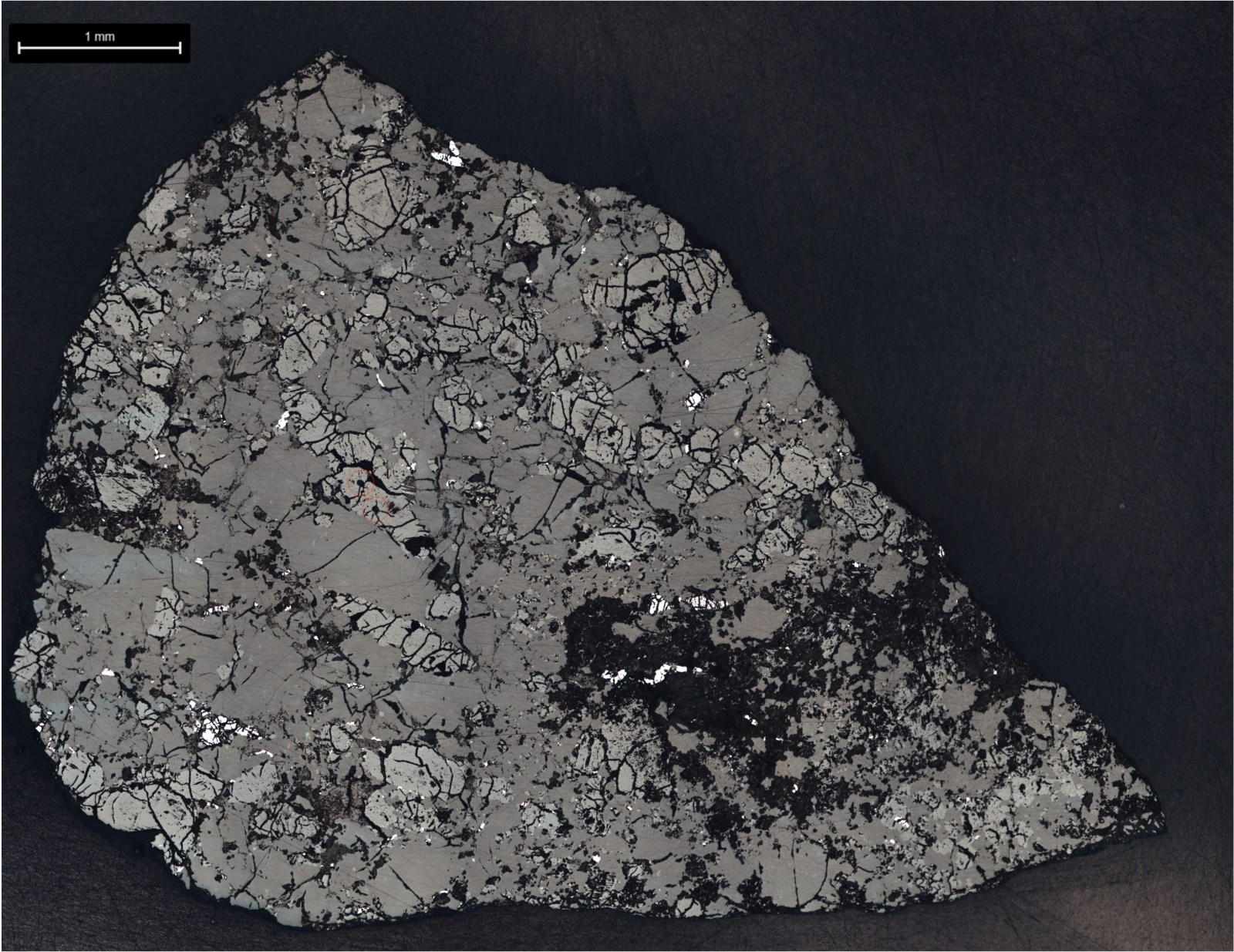
A nearly 2-pound (800-gram) rose-colored rock found in the Sahara Desert in 2022 has turned out to be one of the oldest Martian meteorites ever discovered. NASA-funded scientists dated its minerals to more than 4.1 billion years old.
The meteorite is named Teghaza 001, after the salt plain in Mali where it was found, and is one of roughly 435 known meteorites from Mars. Researchers described it in a paper published Oct. 29 in the journal Science.
“It was only after we started looking closely that we realized this meteorite is really unique,” said lead author Yang Liu of NASA's Jet Propulsion Laboratory. ALH84001, a meteorite of similar age, is made almost entirely of one mineral, while Teghaza 001 contains a mix of igneous minerals. The well-known “Black Beauty” meteorite formed about 2.1 billion years ago, roughly half as long ago.
Teghaza 001's mineralogy matches what NASA's Mars Reconnaissance Orbiter has seen in the planet's cratered southern highlands, and the team identified 13 possible places it could have come from. To date it while preserving the sample, a Caltech team analyzed single mineral grains from a piece smaller than a fingernail.
“This is really our first piece of Martian crust from a part of Mars we've never had a sample of before,” said second author Lee Saper, now at NASA's Ames Research Center.
Source: This story is based on information from NASA Jet Propulsion Laboratory: NASA-funded Study Details One of Oldest Mars Meteorites Ever Found.
Images: NASA/JPL-Caltech, via NASA Jet Propulsion Laboratory.