NASA's Swift observatory falls back to Earth after nearly 22 years
The gamma-ray burst hunter re-entered over Indonesia, ending a mission that was planned to last just two years.
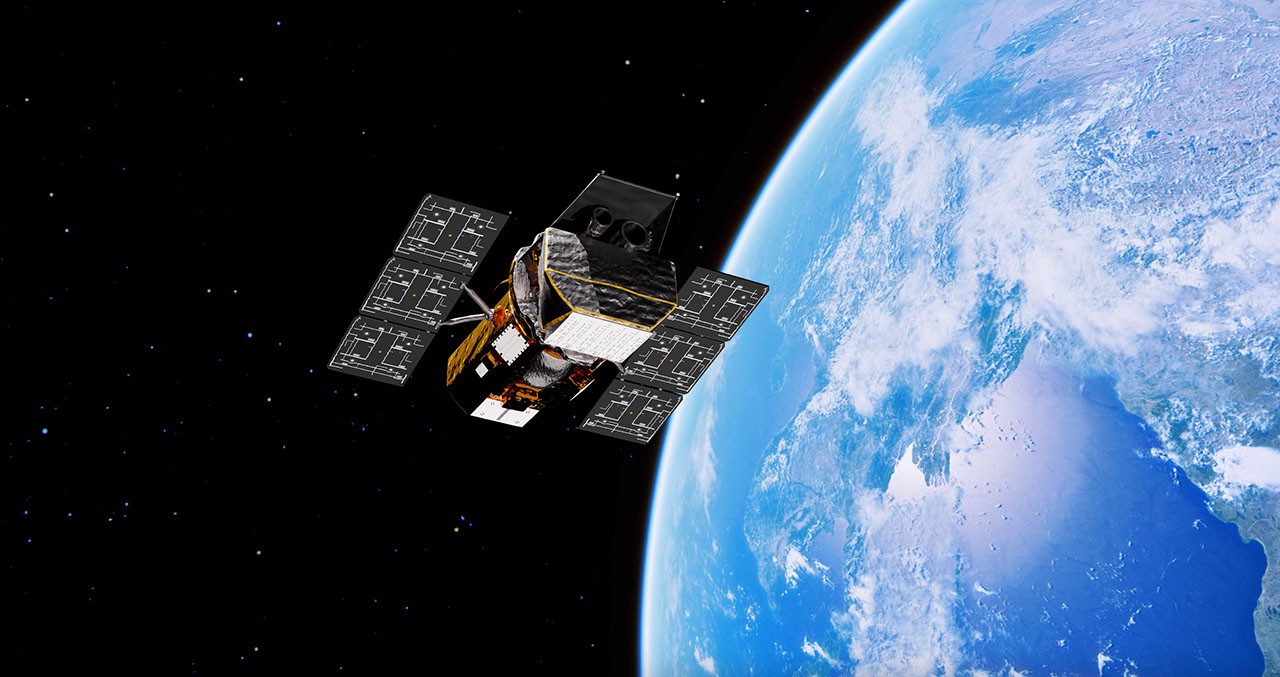
NASA's Neil Gehrels Swift Observatory re-entered Earth's atmosphere on Wednesday, Nov. 4, almost 22 years after it launched.
The U.S. Space Force confirmed the re-entry at 7:39 a.m. EST over the North Sumatra region of Indonesia, at roughly 3.4 degrees north latitude and 98.6 degrees east longitude. NASA expected most of the spacecraft to burn up on the way down, though some components may have survived.
Swift launched in 2004 to study gamma-ray bursts, the most powerful explosions in the universe, and was designed for a two-year prime mission. Its three telescopes let it observe many kinds of light, swing quickly toward short-lived outbursts and alert other observatories so they could follow up.
Over more than two decades, the observatory also studied active galaxies powered by supermassive black holes, stars with X-ray flares, supernovae, and comets and asteroids in our own solar system. NASA announced the end of Swift's mission in late October, ahead of the re-entry.
Source: This story is based on information from NASA: NASA's Swift Observatory Re-Entered Atmosphere.
Images: NASA, via NASA.